Late summer is a useful time to check windows before Minnesota temperatures fall. A short inspection can reveal loose hardware, blocked drainage, glass cracks, worn seals and operating problems while both sides remain easy to examine.
Maintenance should reveal problems early, not damage parts through force, excess sealant or harsh products. For homeowners planning window maintenance in Blaine, MN, avoiding common mistakes can protect existing windows and simplify needed repairs.
Why Check Windows Before Fall?
Minnesota windows face changing temperatures, humidity, wind, snow and freeze-thaw cycles. A minor operating, drainage or sealing problem in August may become more noticeable during cold weather.
A pre-fall check should confirm that the sash moves safely, locks engage, glass is intact, water can drain and visible deterioration receives appropriate attention.
Mistake 1: Using Harsh or Abrasive Cleaners
Strong solvents, abrasive powders, rough pads and scraping tools can damage glass coatings, vinyl, painted wood and hardware finishes. Removing one mark may leave scratches or weaken nearby sealant.
Use a mild cleaner and soft, nonabrasive cloth unless the manufacturer says otherwise. Test unfamiliar products first, never mix chemicals and avoid flooding tracks or wood with water.
While cleaning, look closely at the edges of the glass. Cloudiness between panes, edge cracks, loose glazing beads or moisture staining are repair clues, not cleaning problems.
Mistake 2: Painting Tracks, Seals or Moving Parts
Paint can protect exposed wood, but it can also stop sash movement, prevent weatherstripping from compressing and cover screws, labels or repair access points.
Keep paint away from balance channels, rollers, locks, hinges, cranks and flexible seals. If a window is painted shut, do not force it. First identify the paint bond and any other obstruction.
Mistake 3: Sealing Every Gap With Caulk
Caulk belongs in appropriate exterior joints, but covering drainage openings, moving joints or removable parts can trap water and complicate repair. It also cannot fix failed glass, balances, warped sashes or locks.
Before sealing a gap, determine its purpose. Some openings drain water and some seams must move. A gap that changes during operation may indicate alignment or hardware trouble rather than missing sealant.
Mistake 4: Forcing a Stiff Crank or Sash
When a casement crank becomes stiff or a sliding sash binds, applying more force can strip gears, bend operator arms, damage hinges or separate a balance component. Resistance is a warning sign that the window needs cleaning, adjustment, part identification or repair.
Stop if the handle spins without moving the sash, the window closes unevenly or you hear grinding and snapping. Check for visible debris or an obvious obstruction, but do not keep turning the crank past its normal stopping point. Closing a misaligned sash by force can create a second problem in addition to the original one.
Mistake 5: Blocking Window Weep Holes
Many windows have weep holes that drain water from the frame. Dirt, insect debris, paint and caulk can block them, allowing water to collect or move toward interior materials.
Inspect visible drainage openings and remove loose surface debris carefully. Do not enlarge holes, push sharp tools deep into the frame or seal openings simply because they look like gaps. If water remains in the track after normal cleaning, the drainage path or window installation may need closer inspection.
Mistake 6: Delaying Attention to a Small Glass Crack
A short crack or edge chip may look stable during warm weather, but damaged glass has already lost strength. Temperature changes, wind pressure and normal window movement can cause the crack to spread. A broken pane can also become a safety concern if loose pieces form.
Do not press on the crack or apply a household patch as a permanent fix. Photograph the damage and the complete window. The surrounding sash and frame should also be checked because misalignment or movement may have contributed to the crack.
For more detail, read the broken glass repair and replacement guide before colder weather increases stress on the pane.
Mistake 7: Guessing Which Replacement Part You Need
Window locks, balances, tilt latches and operators can look similar across brands. Differences in length, hole placement, load rating or connection style determine whether a part works safely.
Ordering by appearance alone can waste time or damage the window during installation. Photograph the full window, the failed part, nearby labels and any stamped numbers. Keep loose pieces together. A technician may also need measurements and information about how the sash moves before identifying the correct component.
A Safer Pre-Fall Window Check
A useful inspection does not require disassembling every window. Check the home one room at a time and note anything unusual.
- Clean accessible glass and frames with mild products and soft materials.
- Open and close each operable window without forcing it.
- Confirm that locks engage and the sash sits squarely.
- Check for cracks, fog between panes and loose glazing components.
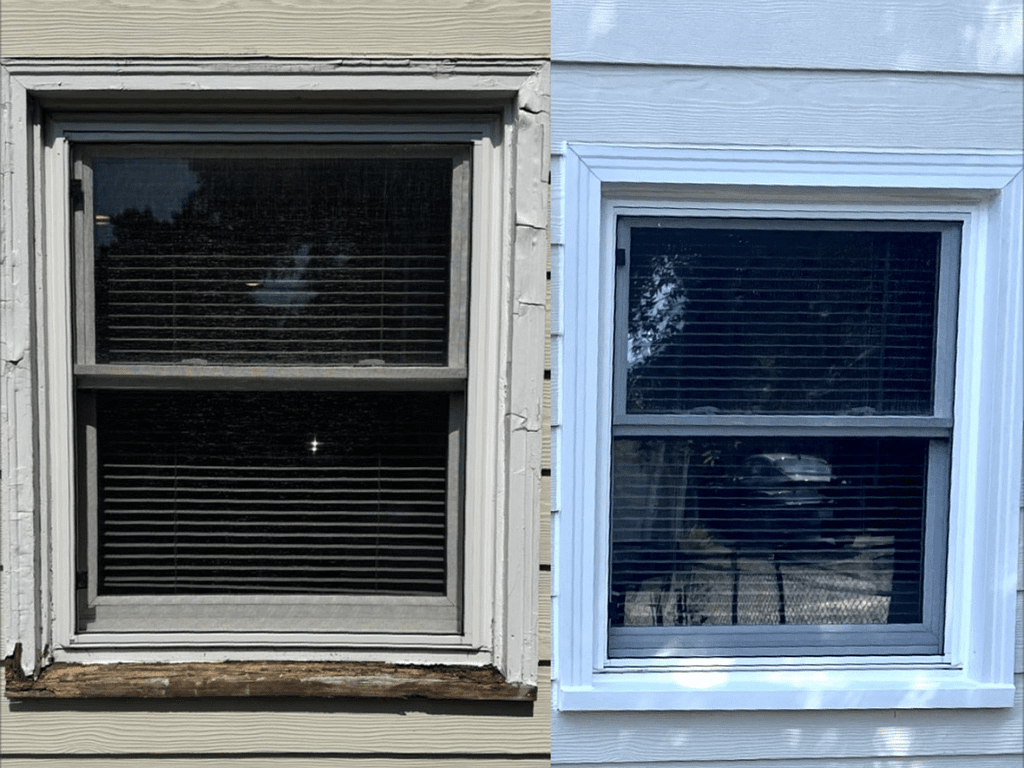
- Look for peeling paint, staining, soft wood or moisture around sills and sashes.
- Remove loose debris from tracks and visible drainage openings.
- Photograph any damaged hardware, labels and complete window views.
If a window is unstable, has severely broken glass or will not stay open, stop operating it. Keep people and pets away from the area and arrange for professional evaluation.
Maintenance Versus Repair
Routine cleaning and visual checks can reveal early problems. They cannot restore a failed glass seal, rebuild rotted wood, replace a broken balance or repair stripped gears. Those components require evaluation and repair or replacement.
Complete window replacement is not automatically necessary. Broken glass, worn hardware, rotted sections and failed insulated glass units may be repairable when the surrounding window remains serviceable. Replacement may become more practical when structural damage is extensive, the opening is badly distorted or several major components are failing together.
Why Local Minnesota Experience Matters
Blaine homeowners face a colder season in which materials contract, moisture can freeze and small air or water paths become clearer. A window that does not close or lock before fall may be harder to secure later.
Pro Window Repair & Service works with broken and foggy glass, balances, locks, cranks, glazing beads, tilt latches, rotted wood sills and sashes, sliding glass doors and window installation. A repair-first evaluation can help identify which component needs attention without assuming that every problem requires a complete new window.
Request a Window Repair Estimate Before Colder Weather
If your pre-fall check reveals cracked glass, fog between panes, a sash that will not stay open, damaged hardware or moisture around the frame, document the problem before attempting a repair.
Homeowners in Blaine and nearby Minnesota communities can send Pro Window Repair & Service clear photos and request an estimate. Include the complete window, close views of the damage and any visible manufacturer labels or part numbers.
Frequently Asked Questions
When should Minnesota homeowners inspect their windows before fall?
Late summer or early fall is a practical time because homeowners can check operation, glass, hardware, drainage and exterior joints before freezing weather. Problems that affect safety or security should be addressed whenever they appear.
Should I lubricate every window track and crank?
No. Different window materials and hardware may require different products, and excess lubricant can collect dirt. Follow manufacturer guidance or ask a professional before applying a product to balances, gears, seals or tracks.
Can I caulk over window weep holes?
No. Weep holes and drainage paths are designed to let water leave the window system. Blocking them can trap moisture. Identify the purpose of an opening before applying caulk.
What should I do if a window is painted shut?
Do not force the sash. First identify where paint is bonding the moving parts and check for other obstructions. Forcing the window can damage glass, hardware, trim or the sash.
Is condensation on a window always a failed seal?
No. Moisture on an accessible interior or exterior surface may be related to humidity and temperature. Condensation trapped between panes is a stronger sign that an insulated glass unit has failed.
What photos help with a window repair estimate?
Send a photo of the complete window, close views of the damaged area, both side tracks or hardware and any visible manufacturer labels or stamped part numbers.